

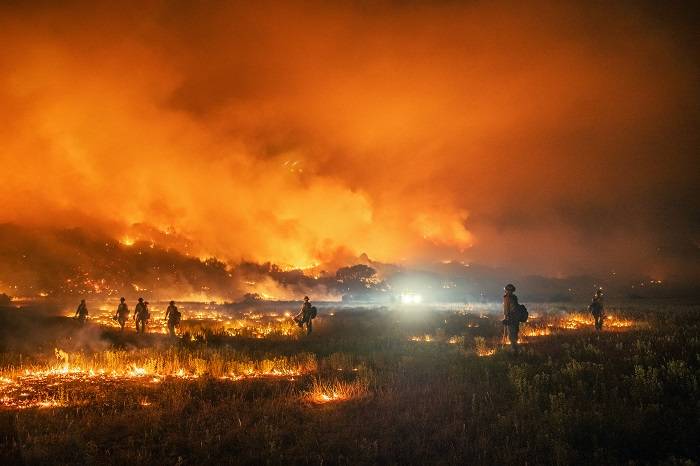
Colorado’s wildfire seasons have transformed dramatically over the past two decades, and they’re bringing unexpected visitors to your doorstep. Between 2011 and 2020, Colorado experienced an average of 5,618 wildfires annually, burning approximately 237,500 acres.
More recently, the average acreage for a single wildfire has surged to nearly 1,800 acres—up from 1,100 acres in the 1990s. But here is what many homeowners across the Front Range do not realize: these intensifying fire seasons are not just altering landscapes—they’re fundamentally changing where pests choose to live.
If you have noticed more pest activity following recent fire seasons, you are not imagining it. Understanding this connection between wildfire patterns and pest behavior is your first step, but working with professional pest control services can help you keep your home pest free in Colorado Springs.
Post-Fire Migration Patterns: Why Pests Move Toward Homes
It takes only minutes for wildfires to burn through Colorado mountain forests and grasslands, decimating not only plant life but also the wildlife that was adapted to those ecosystems.
Other small mammals like rabbits will be affected indirectly since they do not migrate and will have to move to available habitats in other areas where some vegetation patches still survive after a fire.
Rodents have a much smaller range than larger animals, which can walk miles to explore new habitats. So when fire wipes out their food supply and shelter, they head for the next best place – which is usually your suburb.
After fire, rodents behave according to the simplest of instincts: find a source of food, find a source of water, and find a place to hide from predators. Your lived-in home — with its crumbs, running toilet, and cozy walls — fulfills every item on the list.
How Wildfires Intensify Mouse and Rat Population Surges
We would expect fire to reduce pest species, but this is not the case for residential areas adjacent to burn zones. However, with fires destroying the hunting grounds of natural predators such as hawks, owls, and foxes, rodents are then free of their main population regulator.
Meanwhile, the rodents that survive flock to the last spots of safety — your yard. These concentrated populations breed rapidly. Mice have up to 5-10 litters a year, and each litter consists of 5-6 pups. In the wake of a record wildfire season like the one that hit Colorado in 2024, where over 50 structures were lost and 10,000 acres fell to flames in Boulder and Larimer Counties alone, pest pressure escalates by orders of magnitude for every home adjacent to these wildlands.
The survivors are not seeking seasonal housing; their search is for a lasting escape from a landscape that is permanently changed.
Why It Matters to Bring In The Professionals
Because of the complex ways wildfire and pest patterns are changing, the assistance of professionals is no longer a nice-to-have — it is becoming a necessity. As one of the few pest control firms serving communities throughout Colorado, the team at Saela Pest Control knows how the dynamics of fire season affect local pest pressures. They understand that after a wildfire, pest issues need more than standard treatments; they need treatments that address not only displaced wildlife patterns but also changed environmental conditions across the Front Range.
They also understand the seasonal migration patterns that fires can disrupt and as well as the exclusion methods that will allow access to crevices that the homeowner would not notice have been damaged by the fire, and are further complicating the entry to their home, but at a distance of a few months or seasons. So, make sure you seek professional assistance before things get out of your hands!